
What Retreat Centres Can Learn From a Space Built on Authenticity, Community, and Sustainability
There’s a particular feeling you get when you walk into a space and instantly know the journey to get there was worth every frustration.
My trip to Suan Sati began with nearly an hour of negotiating with Chiang Mai taxi drivers, watching agreed prices suddenly inflate, dealing with cancellations, and finally being dropped on a bumpy road in the middle of rice fields by a driver who’d simply had enough.
Standing there, surrounded by emerald paddies stretching toward distant mountains, I had one of those moments where you question your choices.
Then I walked through Suan Sati’s entrance.
Within seconds, everything shifted. The hassle dissolved. The gratitude arrived. Because I’d just stepped into something genuinely magical.
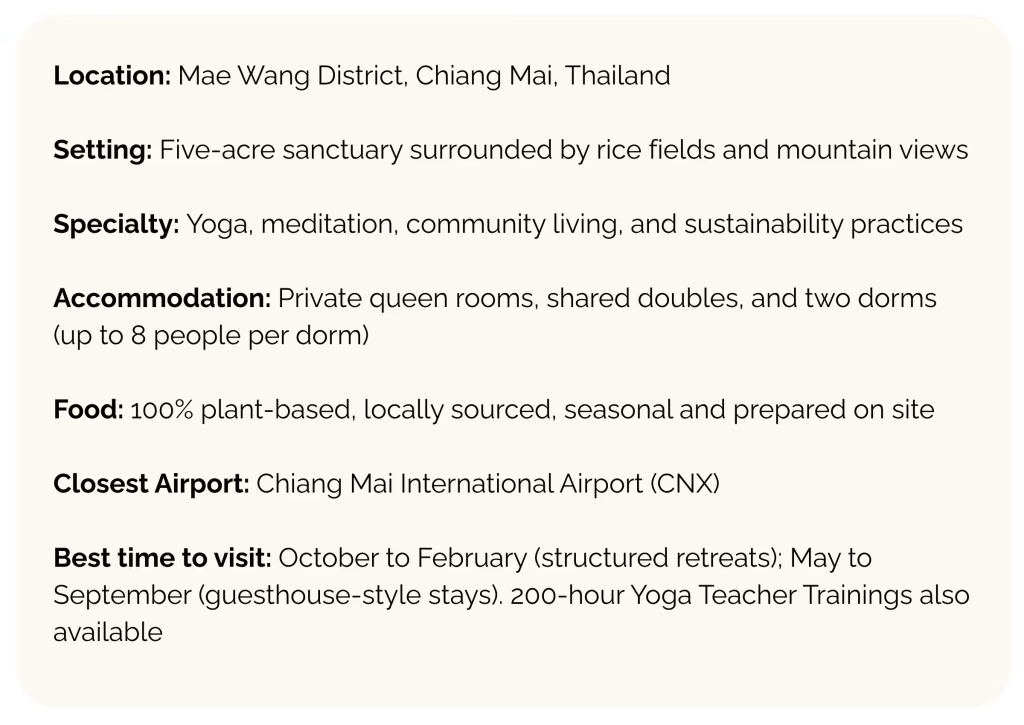
At a Glance
When a Dream Becomes a Lifestyle
My visit fell on a sunny Saturday in late August, and while I didn’t get to meet Will and Lisa, the founders who created this sanctuary, their presence was everywhere in the space they’d built.
Praew, a fellow yoga teacher and integral part of the Suan Sati family, welcomed me with the kind of warmth that immediately makes you feel like you belong.
Will’s story is a journey in itself.
He first came to Thailand in 2010 to teach English, later discovering yoga and meditation in Chiang Mai. Years of exploration followed across Asia, Australia, Indonesia, Africa, Europe, and the Americas before yoga truly clicked for him in Guatemala during a permaculture and yoga course. What resonated wasn’t just the physical practice, but mindfulness through movement.
After intense self-practice and training in Goa, India, Will met Lisa, an Austrian physiotherapist and yoga teacher who would become both his partner and co-founder.
The vision crystallised during a lunch along the Ping River in October 2015: a place where Will could finally unpack his bags and weave together his passions for meditation, yoga, and conservation into something that felt like home.
From Rice Fields to Sacred Space

Praew showed me the photo album documenting Suan Sati’s earliest days, and I felt privileged to witness this visual history.
I found myself drawn into what felt like an intimate family gathering, one where I was being trusted with something precious.
The original location opened on New Year’s Day 2017 after six months of volunteers clearing overgrown land and building simple bamboo bungalows. Within fourteen months, retreats were consistently fully booked with waiting lists. The love was undeniable, but so was the need for more space.
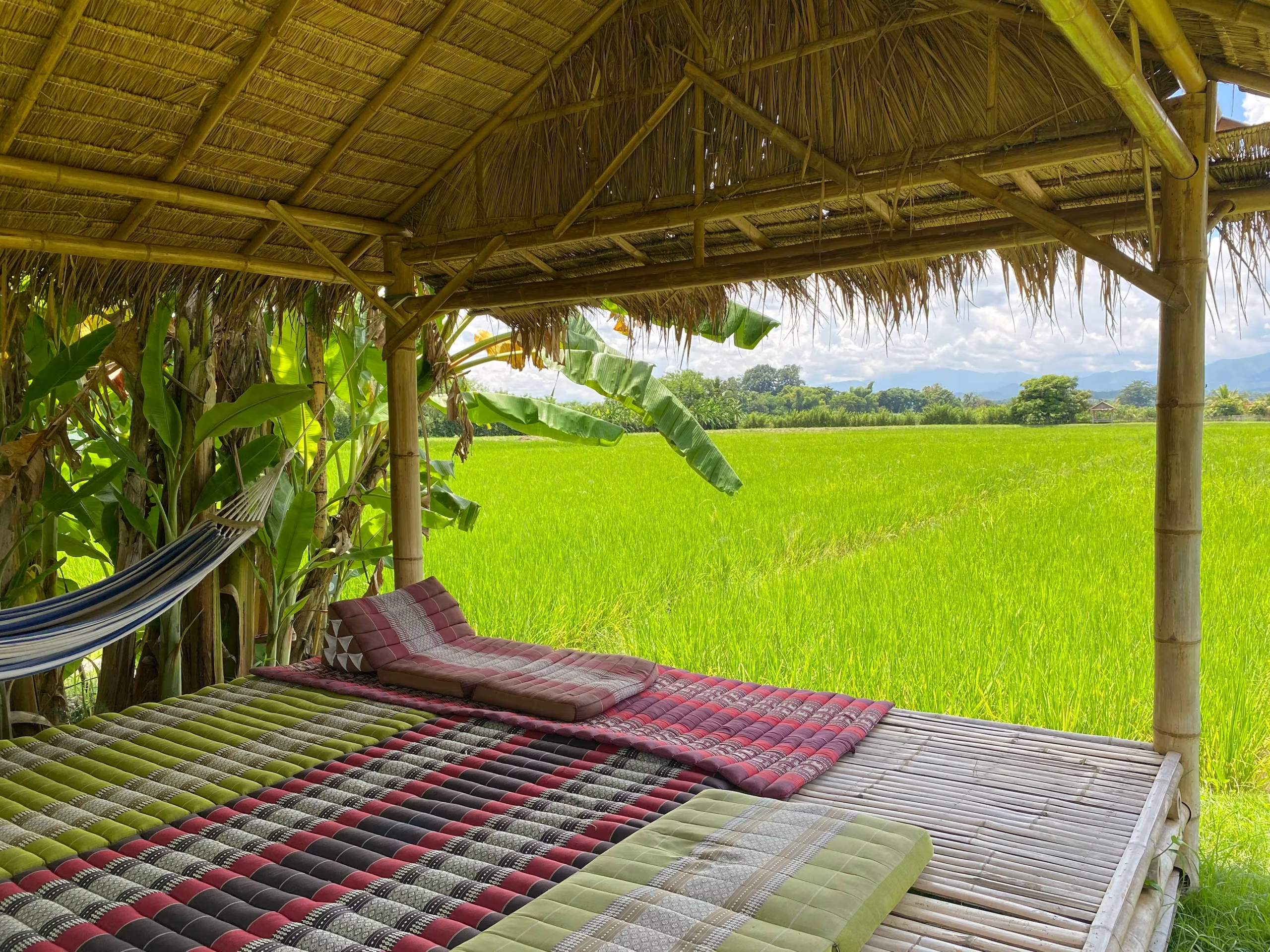
In July 2018, Will found a five-acre plot of rice fields in Mae Wang district, south of Chiang Mai. It was quiet, beautiful, and the perfect blank canvas.
Construction began that November, with challenges arising from Will’s commitment to eco-friendly practices uncommon in Thailand: solar power, adobe mud brick that replace conventional cement blocks, and advanced systems designed to align with his environmental values.
The new Suan Sati, which translates to “The Garden of Mindfulness,” opened on October 1, 2019. Standing there six years later, you can feel how every challenge was worth overcoming.
Where Philosophy Lives in Every Detail
As Praew walked me through the property, I saw how Suan Sati’s philosophy is lived rather than spoken.
The accommodations range from queen rooms to shared doubles and two dorms that can host up to eight people each, all spaces designed with intention rather than luxury.
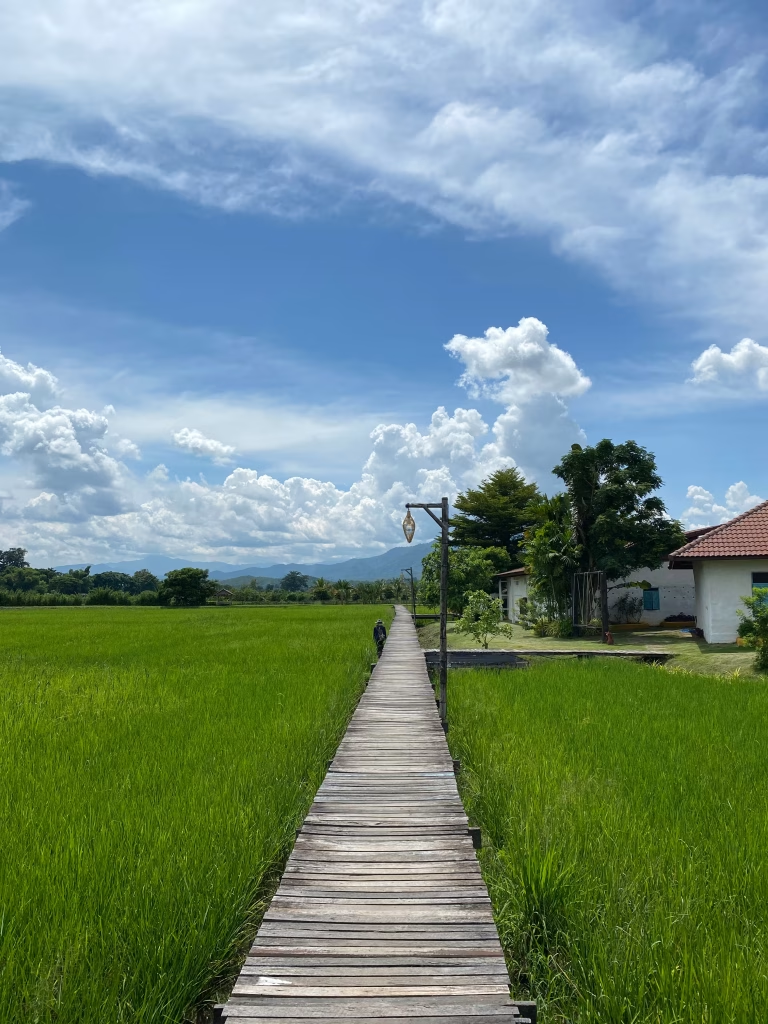
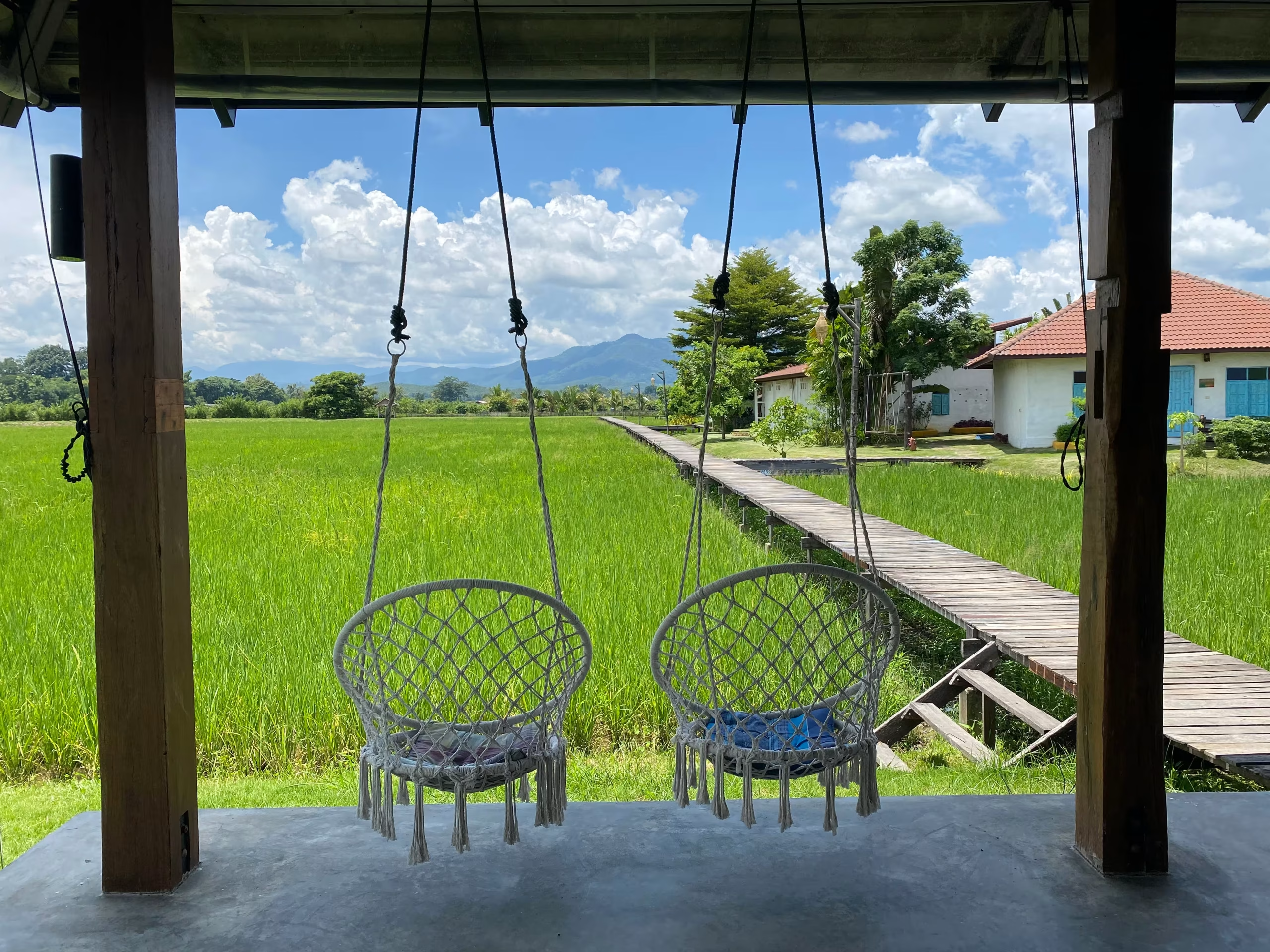
We passed the ice bath and then followed a stunning path alongside rice fields that seemed to stretch endlessly toward the horizon.
This walk alone is worth the trip.
At the end sits one of the most beautiful yoga shalas I’ve seen.
Styled after a northern Thai temple, its dark wood floors glow in natural light. It feels less like a studio and more like a temple, a sacred space for practice.
The Heart of the Community
Back at the beautiful open space which serves as the communal heart, guests share meals, relax, and connect while watching the kitchen team prepare their culinary magic.
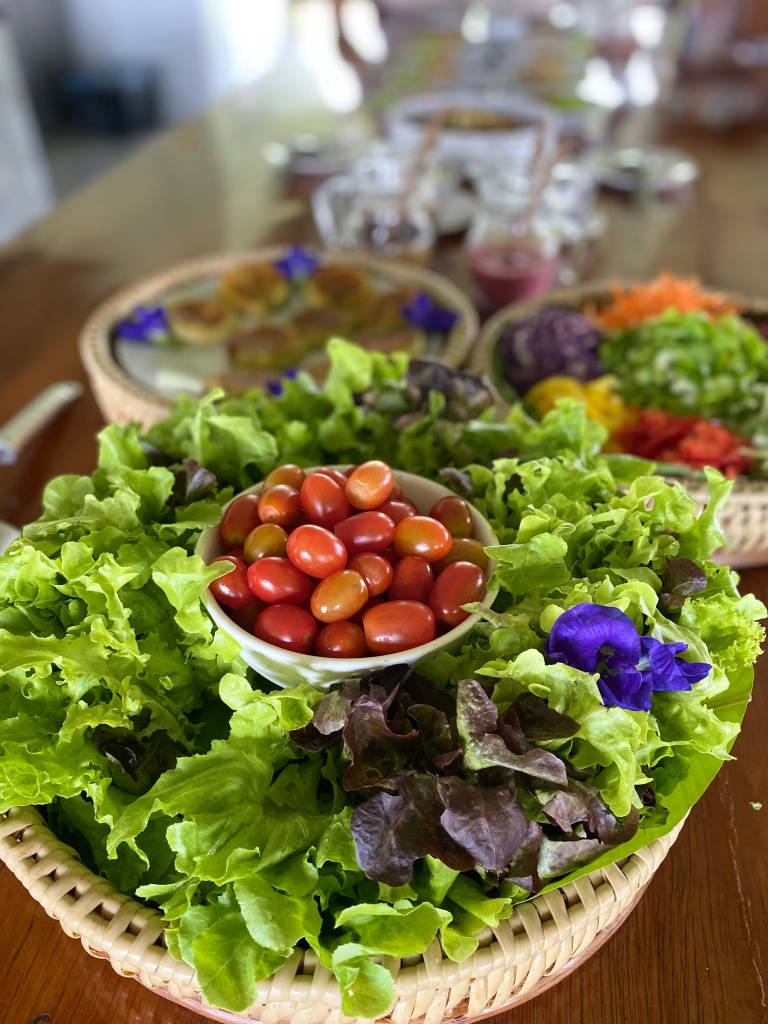
I was fortunate enough to experience lunch at Suan Sati, a fully vegan feast that was nothing short of extraordinary: nourishing, vibrant, colourful, and absolutely delicious.
While waiting for their meals, some guests were painting, completely absorbed in creative flow. This is actively encouraged here, where art supplies are always available for anyone wanting to experiment and express.
I spent time talking with Praew and the three yoga teachers on site, feeling that same intimate family energy that had greeted me upon arrival.
The teaching team brings a wealth of modalities: yoga, reiki, sound healing, meditation. Lisa weaves her physiotherapy background with Hatha, Vinyasa, and Yin, enriched by Bhakti yoga’s devotion and music. Together, the teachers empower students to find their own highest potential rather than offering one-size-fits-all instruction.
Seasonal Rhythms
Suan Sati’s programming adapts beautifully to the seasons and rhythms of Northern Thailand.
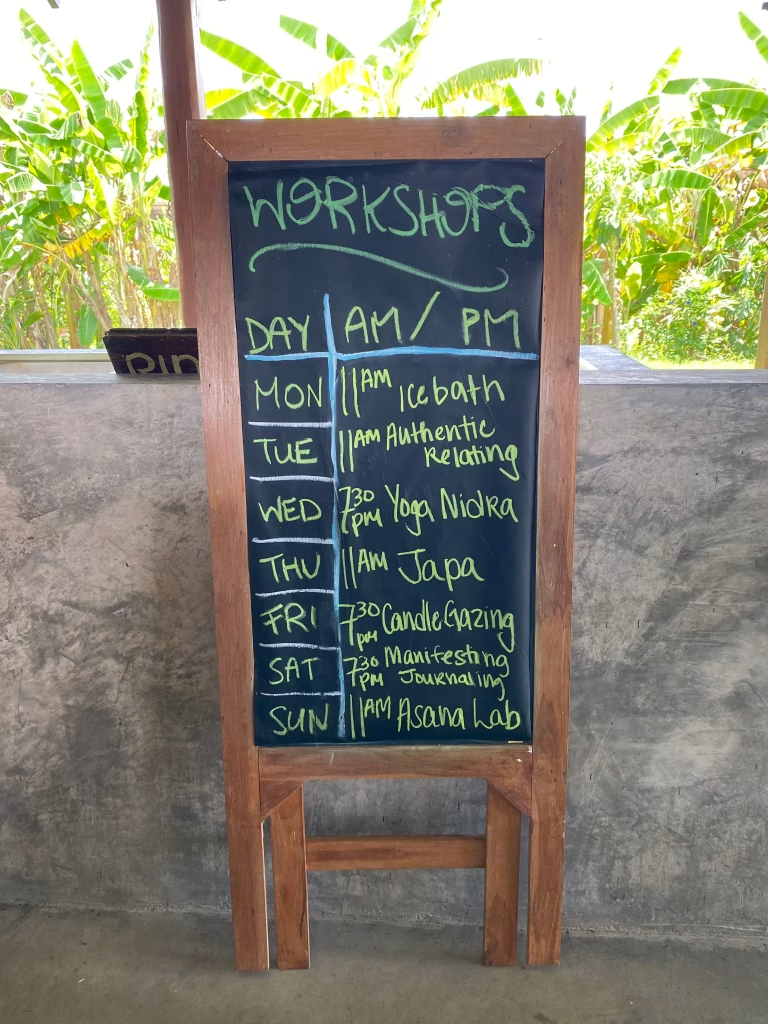
From October to February, they host structured six-day, five-night retreats featuring twice-daily yoga and meditation sessions, diverse workshops, and plenty of space to simply be. One of their most distinctive offerings is the invitation to digital detox, giving guests a rare opportunity to truly disconnect from the outer world and reconnect with their inner landscape.
The centre closes during March and April due to Chiang Mai’s smoke season, then reopens from May to September with a “guest house style” format where visitors choose their own arrival and departure dates with a three-night minimum stay.
They also run 200-hour yoga teacher training courses furthering their mission of spreading conscious practice into the world.
Sustainability as Daily Practice
What struck me deeply was Suan Sati’s uncompromising approach to sustainability.
- Guests are asked to bring only all-natural hygiene products because wastewater flows directly onto the land where vegetables grow.
- Solar power fuels the centre; therefore energy-hungry devices like hair dryers are discouraged.
- Everyone washes their own dishes using a simple, efficient system of dedicated sinks.
These thoughtful systems: solar power, conscious waste management, and carefully sourced materials, all reflect Will’s original vision of weaving conservation into the daily rhythm of life here. This is living in direct relationship with the earth that sustains them.
The Journey Back
All too soon, I had to leave.
I shared a ride back to Chiang Mai with an enthusiastic guest who’d just completed three days at the centre, and I got to witness the warm, heartfelt goodbyes exchanged between her and the staff.
During that forty-five-minute drive back to the city, I kept replaying the day in my mind.
I thought about how lucky I’d felt to spend even a few hours there. How every single person I know could benefit from this experience. How one day, I would love to live in a place exactly like this.
That’s when it hit me.
Will’s dream is my dream. He founded Suan Sati as a lifestyle that would allow himself and others to live the practice, not merely visit it. I left fantasising about creating something equally special one day, or finding my way back to live in a space like this.
And if that’s not the mark of a truly exceptional place, I don’t know what is.
Lessons for Retreat Centres
Here’s what retreat centres can learn from Suan Sati’s approach.
Authenticity over aesthetics. The beauty here isn’t manufactured or imported. It grows organically from the land, the philosophy, and the genuine care woven into every detail. You won’t find Instagram-perfect styling that feels hollow. Instead, you’ll discover spaces shaped by the work of volunteers’ hands, materials chosen for their environmental impact rather than just for their visual impact, and design decisions that prioritize function and feeling over photogenic moments. But guess what, this doesn’t take anything away from beauty as the whole place is stunning.
Community as container. With a full team of around twenty people and a teaching philosophy that emphasizes empowerment over instruction, Suan Sati creates conditions where transformation happens naturally through connection. The teachers here create space for students to discover their own capacity for growth, resilience, and self-knowledge. The result feels like a community where teachers and guests support each other’s journeys.
Accessibility without compromise. Affordable pricing doesn’t mean sacrificing quality. It means more people can access life-changing experiences. Many retreat centres have priced themselves into exclusivity, creating a wellness industry that serves primarily the wealthy. Suan Sati proves you can maintain exceptional standards in teaching, food, and facilities while keeping doors open to students on more modest budgets.
Living the practice. This isn’t a place where staff teach mindfulness and then clock out. The entire operation embodies the principles they share with guests. From the way teachers interact with each other to how the kitchen team prepares meals, from the careful stewarding of resources to the warmth extended to every visitor, you witness the practice in action constantly. This congruence between teaching and living creates an environment where self improvement feels possible because you’re surrounded by people already embodying it.
Who Needs This
If you’re drawn to spaces where the practice is lived rather than performed, where community matters and sustainability is sacred, you’ll find your people here.
Whether you’re new to yoga and meditation or a seasoned practitioner deepening your path, whether you’re seeking a few days of reset or considering teacher training, Suan Sati offers a genuine alternative to the increasingly commercialized wellness industry.
The positioning is perfect: remote enough to offer genuine escape in rice fields that stretch toward mountains, accessible enough to enhance rather than isolate your Thailand experience. Many guests arrive or depart via Chiang Mai, making the retreat part of a richer exploration of Northern Thailand rather than a disconnected experience.
A Final Note
Learn from my mistake: don’t rely on random Grab drivers to get you there. Ask the Suan Sati team to arrange transport.
For me, the bumpy road, the frustrated drivers, the moment of doubt standing in the rice fields – all of it became part of my story once I arrived. Sometimes the most meaningful destinations require a little faith to reach. And Suan Sati was absolutely worth that leap for me.
And I suspect it will be worth yours too.
Inspired by spaces like Suan Sati but need help finding the right venue for your retreat? Let’s discuss how I can connect you with extraordinary properties that align with your values and vision.
Book a Free Call
Love discovering unique retreat spaces? Join my newsletter for venue spotlights, retreat planning tips, and opportunities to host or attend transformative programs.